
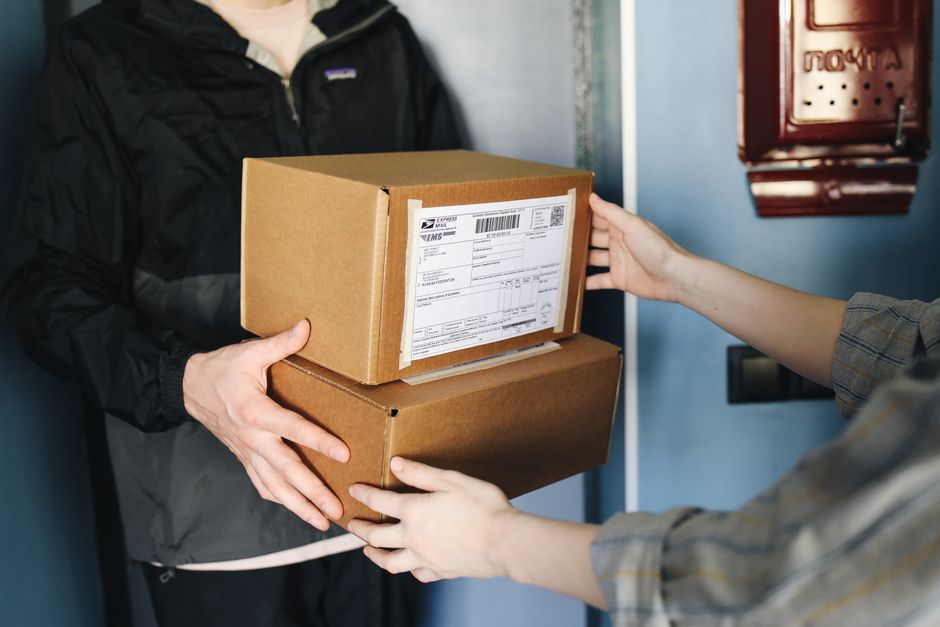
Many store owners treat shipping as an operational afterthought. They spend weeks picking products, writing descriptions, and choosing a theme, then draft a shipping policy in ten minutes before launch. That mistake costs sales. A shopper who loves your product may abandon the cart the moment they see a surprise delivery fee or a vague return window. Shipping terms are not just logistics. They are part of the value proposition.
Imagine two stores selling the same ceramic mugs. Store A charges a flat eight dollar shipping fee with no delivery estimate. Store B offers free shipping on orders over forty five dollars and promises delivery in three to five business days. All else equal, Store B will convert more visitors. The policy itself becomes a reason to buy or a reason to leave.
Why Shipping Policy Is a Conversion Factor
Shoppers evaluate shipping before they decide to buy. They want to know how much it costs, how long it takes, and what happens if the item arrives damaged. When those answers are missing, uncertainty takes over. Uncertainty is one of the fastest ways to kill a purchase.
Think of a hypothetical boutique candle shop. A visitor finds a scent she likes, but the product page does not say whether shipping is tracked or how long it will take. She leaves to search for the same candle on a competitor site that lists a clear delivery window. The first shop did not lose the customer because of price or quality. It lost the customer because the shipping policy created doubt.
Your policy should answer three questions immediately. How much does shipping cost? When will it arrive? What is the return process? If a visitor has to hunt for those answers, you have already introduced friction.
Free Shipping Thresholds and Average Order Value
Free shipping thresholds are one of the most effective tools for increasing average order value. When you set a minimum spend for free delivery, customers often add extra items to reach it. A store selling twenty five dollar skincare kits might set free shipping at fifty dollars. A shopper with one kit in the cart may add a second item to qualify.
The trade-off is real. Set the threshold too high, and small orders disappear. Set it too low, and you absorb shipping costs on marginal sales. There is no universal number. A store with high margins can afford a lower threshold. A store selling low cost accessories needs a higher one to protect profit.
Hypothetically, a home goods shop tested a seventy five dollar threshold against a fifty dollar threshold. The higher threshold increased average order value slightly, but overall conversion dropped because casual buyers felt the goal was out of reach. The lower threshold won because it felt achievable. Test your threshold against your actual order data rather than copying a competitor.
Delivery Speed Expectations and Trust
Delivery estimates shape trust more than many owners realize. A shopper buying a birthday gift needs certainty. A shopper restocking household supplies cares less about speed and more about cost. If your estimate says three to five business days and the package arrives in ten, you have created a service failure even if the product is perfect.
Overpromising leads to chargebacks and negative reviews. Underpromising can lose sales to competitors who promise faster delivery. The best approach is to be specific and honest. Instead of saying ships soon, say ships within one business day. Instead of saying delivery soon, say delivery in four to six business days.
Offering an expedited option for an extra fee can capture urgent buyers without forcing every customer to pay for speed. A hypothetical electronics store found that ten percent of shoppers chose two day shipping when it was clearly priced at checkout. Those shoppers had a higher intent to buy and were less likely to abandon.
Return Shipping Rules and Purchase Confidence
Return shipping rules answer a simple question that matters to every buyer. Who pays if the item does not work? When return shipping is free, the buyer feels protected. When the buyer must pay, hesitation grows. This is especially true for apparel, shoes, and any product where fit or compatibility is uncertain.
Imagine a clothing store that sells shirts online. A shopper is unsure between medium and large. If the store offers free returns, she is more likely to order both sizes and keep the one that fits. If she has to pay return shipping, she may order neither. The cost of free returns can be offset by higher conversion and lower customer service time.
That said, free returns are not right for every business. A store selling custom made items cannot accept returns easily. In those cases, clarity is essential. State that items are made to order and cannot be returned unless defective. Honesty prevents disputes and protects your reputation.
International Shipping and Cart Abandonment
Cross border shoppers abandon carts more often than domestic shoppers. The main reason is surprise costs. Duties, taxes, and brokerage fees that appear after checkout feel like a bait and switch. A buyer in Canada ordering from a United States store may see a twenty dollar shipping charge, then discover an additional fifteen dollar customs fee at delivery.
To prevent this, show landed costs early. Use a shipping calculator that estimates duties and taxes based on destination. Alternatively, use Delivered Duty Paid shipping so the customer pays all fees upfront and the package clears customs smoothly. The total price may be higher, but transparency builds trust.
A hypothetical shop selling art prints found that international cart abandonment dropped after it added a duty and tax estimator to the cart page. Buyers still paid the same total amount, but they no longer felt blindsided. Clarity matters more than the lowest possible shipping price.
Displaying Shipping Information Without Hurting UX
Where you place shipping information determines whether it helps or hurts conversion. Buried in a footer link, it is useless during the buying moment. Surprised at checkout, it causes abandonment. The best placement is visible but not intrusive.
Include a short shipping line on the product page. Use a shipping calculator in the cart so buyers see costs before entering payment details. Repeat key terms in the checkout summary. Keep the language consistent across every page. If your product page says free shipping over fifty dollars, your cart page should say the same thing.
Do not require shoppers to create an account to see shipping rates. That is a common friction point that drives traffic away. Rates should be available to anyone with a product in the cart and a destination country selected.
Platform Specific Notes for WordPress and Shopify
WordPress with WooCommerce gives you shipping zones, classes, and methods. You can set flat rates, free shipping, and local pickup based on location, weight, or price. The flexibility is strong, but setting up complex rules can take time. A developer can help configure tax classes and shipping logic so the checkout does not break during a sale.
Shopify uses shipping profiles and carrier calculated rates. It is often faster to launch because the interface guides you through zones and rates. Shopify also integrates directly with major carriers for real time quotes. The trade-off is less granular control over custom shipping logic unless you use apps or custom code.
Both platforms allow you to restrict shipping to certain countries, set handling times, and offer local delivery. Choose the platform that matches your operational complexity. A small store with domestic shipping can launch quickly on either. A store with international warehouses and custom packaging rules may need more careful setup regardless of platform.
Common Shipping Policy Mistakes to Avoid
- Hiding shipping costs until the final checkout step.
- Using vague delivery timelines such as soon or quickly.
- Failing to list international duties and taxes.
- Requiring account creation to view shipping rates.
- Contradicting shipping information between product and cart pages.
- Charging return shipping without stating it clearly before purchase.
Each of these mistakes creates a moment of doubt. In ecommerce, doubt usually leads to an abandoned cart. Review your policy from the perspective of a first time visitor. If you cannot find the answer in ten seconds, neither can your customer.
Testing and Refining Your Shipping Policy
A shipping policy is not something you write once and forget. It should evolve with your product mix, shipping costs, and customer behavior. Start by testing different free shipping thresholds. Compare conversion rate and average order value before and after a change.
Monitor cart abandonment rates specifically at the shipping step. If many shoppers leave after seeing delivery costs, your rates or thresholds may be out of alignment with expectations. Track customer support tickets about shipping. Frequent questions about delivery time or return costs mean your policy is not clear enough.
Review competitor policies quarterly. You do not need to match them exactly, but you should know what buyers expect in your niche. Seasonal changes also matter. A holiday gift shop may promise faster delivery in November and adjust back in January.
Conclusion
Your shipping policy is part of the product experience, not an administrative detail. It influences whether a shopper adds an item to the cart, completes checkout, or returns for a second purchase. Clear delivery times, fair return terms, and well chosen free shipping thresholds protect both conversion and margin.
Make the policy easy to find, easy to understand, and honest about costs. Small adjustments to how you present shipping can have a measurable effect on sales without changing your products or your prices.