
The Global Shopping Landscape
Small business owners are increasingly looking beyond domestic borders. Even a modest online store can attract buyers from dozens of countries within weeks of launch. The difference between a casual visitor and a repeat customer often lies in the checkout experience itself. When shoppers encounter language barriers, unfamiliar payment methods, or confusing currency displays, they abandon their carts before completing the purchase.
International checkout UX is not just a translation exercise. It involves understanding cultural expectations, regional payment preferences, and legal requirements. A well‑designed checkout flow can reduce friction, build trust, and ultimately increase revenue from markets that were previously out of reach.
How Localization Impacts Checkout
Language and Cultural Nuances
Translation is the first step, but it must be accurate. A literal word‑for‑word translation can produce awkward phrasing that damages credibility. For example, the English phrase “Complete Purchase” is clear, but the same phrase translated directly into Spanish may sound abrupt. Using native speakers or professional localization services ensures that terms match local business etiquette.
Cultural expectations also influence form fields. In many Asian markets, users prefer a combination of phone number and optional email rather than a mandatory email address. Offering multiple contact options respects local communication habits and can improve completion rates.
Currency and Pricing Presentation
Display prices in the shopper’s local currency to avoid sticker shock. A $100 item may look expensive to a European customer if shown as €100 without clear conversion context. Providing a dynamic currency converter that updates in real time adds transparency.
Some merchants choose to display the base price in USD and show a converted amount. This approach simplifies inventory management but can reduce trust if the conversion feels opaque. Balancing simplicity with clarity is key.
Key UI Elements for International Shoppers
Clear Language and Instructions
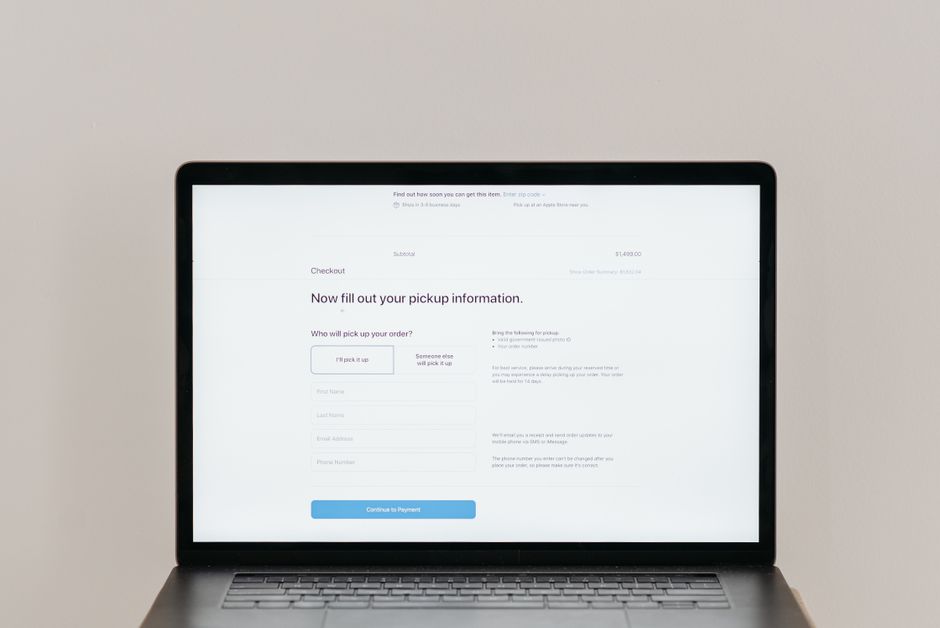
- Use simple, action‑oriented labels for each field (e.g., “First name” instead of “Given name”).
- Provide inline validation messages in the user’s language to guide corrections without forcing a page reload.
- Include tooltips for optional fields that explain why the information is needed, which varies by region (e.g., tax ID requirements).
Payment Method Diversity
Different countries favor distinct payment solutions. Europe relies heavily on SEPA transfers, Apple Pay, and local digital wallets such as Giropay or iDEAL. In Latin America, Mercado Pago and local credit cards dominate. In Asia, Alipay, WeChat Pay, and QR‑code based systems are common.
Offering a mix of credit cards, alternative payment providers (APPs), and local payment gateways ensures that shoppers can use their preferred method. Integrating a universal payment processor can abstract some of the complexity, but it is essential to test each supported region to confirm seamless operation.
Address Validation and Shipping Logic
International shipping rules can be intricate. Some regions require detailed postal codes, while others accept approximate formats. Implementing region‑specific address validation prevents errors and reduces cart abandonment due to rejected shipments.
Dynamic shipping calculators that factor in weight, distance, and customs duties improve transparency. When customers see accurate shipping costs early, they are less likely to abandon the checkout after adding items to the cart.
Payment Flexibility Matters
Beyond supporting multiple payment providers, the checkout flow should accommodate varying authentication requirements. Two‑factor authentication is standard in many European markets, while some Asian merchants rely on OTP sent via SMS. Providing clear instructions for these security steps helps users complete the process without frustration.
Some international customers prefer “buy now, pay later” options. Integrating services like Klarna or Afterpay can attract price‑sensitive shoppers and increase average order value. However, merchants must weigh the additional processing fees against the potential boost in conversion.
Testing and Optimization Strategies
A/B Testing Localized Elements
Start with a baseline checkout experience and introduce one localization change at a time. For instance, test English‑only fields against a bilingual version to measure impact on completion rates. Track metrics such as add‑to‑cart rate, checkout start rate, and abandonment point.
Use statistical significance thresholds to avoid premature conclusions. Even small improvements in language clarity can yield measurable gains when scaled across multiple markets.
Mobile‑First Design
International shoppers often use smartphones for browsing and purchasing. Ensure that payment fields are usable on small screens, with appropriate font sizes and touch‑friendly buttons. Dropdown menus for country selection should be accessible and not hidden behind overlays.
Responsive design also includes optimizing the auto‑fill capabilities of mobile browsers. Safari on iOS, for example, can pre‑fill credit card details for returning users, reducing manual entry and friction.
Common Pitfalls to Avoid
- Assuming a direct translation will work across cultures. Professional localization is essential.
- Omitting region‑specific payment methods. A one‑size‑fits‑all approach can alienate large market segments.
- Failing to update tax and duty information. Outdated regulations can lead to compliance issues and buyer distrust.
- Using generic placeholder text that does not reflect local formatting (e.g., U.S. ZIP code vs. UK postal code).
- Ignoring mobile usability. International customers frequently shop on smaller devices; a desktop‑only checkout will cause high abandonment.
Putting It All Together
International expansion is a strategic move that goes beyond simply adding a currency selector. A thoughtful checkout UX that respects language, payment preferences, and cultural expectations can turn curious browsers into loyal buyers. Start with a solid foundation: clear, localized copy; flexible payment options; and robust address and shipping validation.
Continuously gather data from each market, run targeted tests, and iterate based on real performance metrics. By prioritizing the international shopper’s journey, small businesses can unlock new revenue streams while building a reputation for global professionalism.